
Freshwater Fish: How to Choose the Right Species
Most beginners pick a fish by how it looks in the store. A better first choice starts with three questions: how big is your tank, what water temperature does the fish need, and how will it get along with the other fish you plan to keep?
Start with three questions
Every freshwater fish has a set of needs. Answering these three questions narrows the list before you compare species.
Tank size
Adult size and the number of fish you plan to keep decide how big the tank must be. Check the minimum tank size in the care guide, not the size on the store label.
Water temperature
Each group has its own temperature range. If you do not already have a heater, factor in the cost and the stable temperature the fish needs before you buy.
Temperament
Some fish school peacefully, some stay in pairs, and some defend territory. Temperament decides who can share a tank.
Freshwater fish groups compared for beginners
This table covers the most common community and single-fish choices. Use it to narrow your list, then confirm exact tank sizes and water requirements in each care guide.
| Group | Typical tank fit | Temperament | Beginner fit | Check before buying |
|---|---|---|---|---|
| Livebearers, such as guppies | Smaller community tanks | Generally peaceful; breeds readily | Beginner-friendly | Plan for fry if males and females share the tank |
| Tetras | Community tanks with room to swim | Schooling and generally peaceful | Beginner-friendly | Keep the group size the species needs |
| Catfish | Community tanks with bottom space | Mostly bottom-dwelling; many are peaceful | Beginner-friendly for many species | Some species grow large; check adult size first |
| Cichlids | Medium to large tanks, depending on species | Varies widely; many are territorial | Choose with care | Check temperament and adult size before mixing |
| Bettas | Single-fish tanks | Males fight other males | Beginner-friendly as a single fish | Never house two male bettas together |
| Dwarf gouramis | Community tanks with plants | Generally peaceful | Beginner-friendly | Confirm temperature and tankmates |
*Table note: Minimum tank sizes and water requirements vary by species. Confirm the care guide before buying.
Three popular starter groups up close
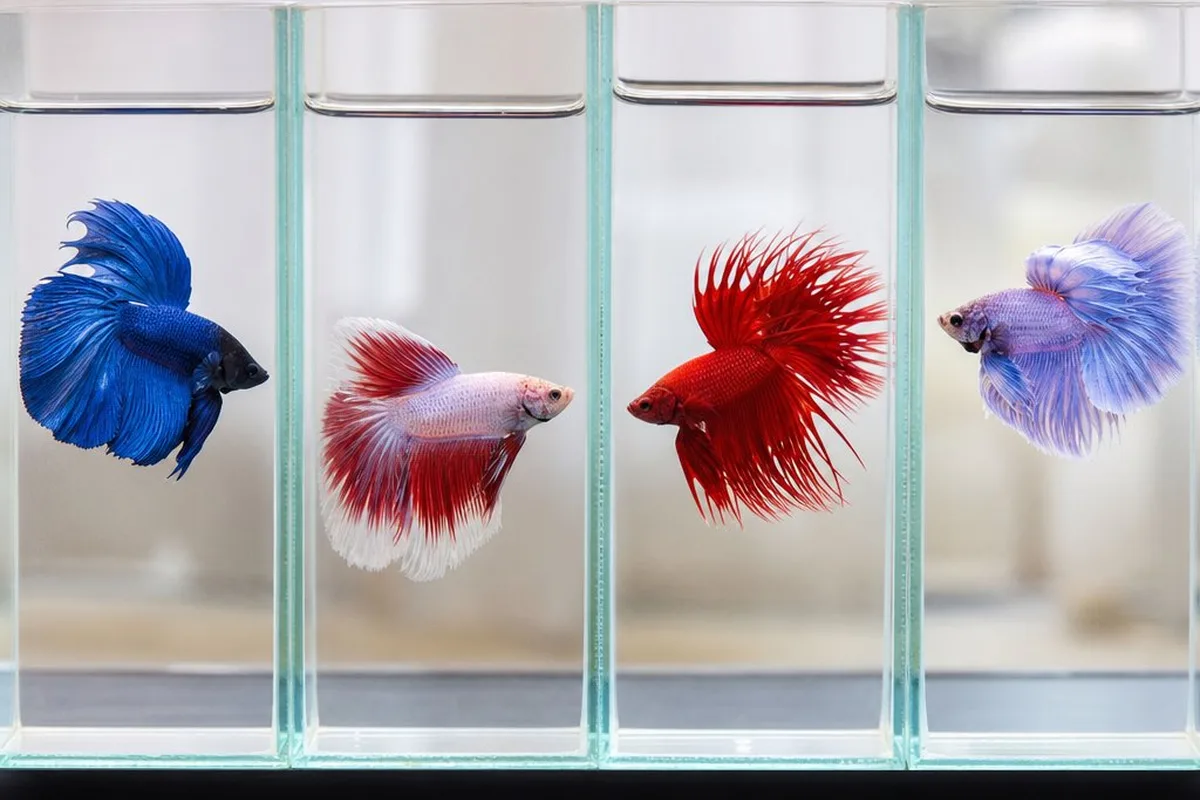
Bettas
A betta alone in a suitably sized, heated, and filtered tank is a complete setup. Fin type, health, and tank size all matter, and the betta guide covers each one.
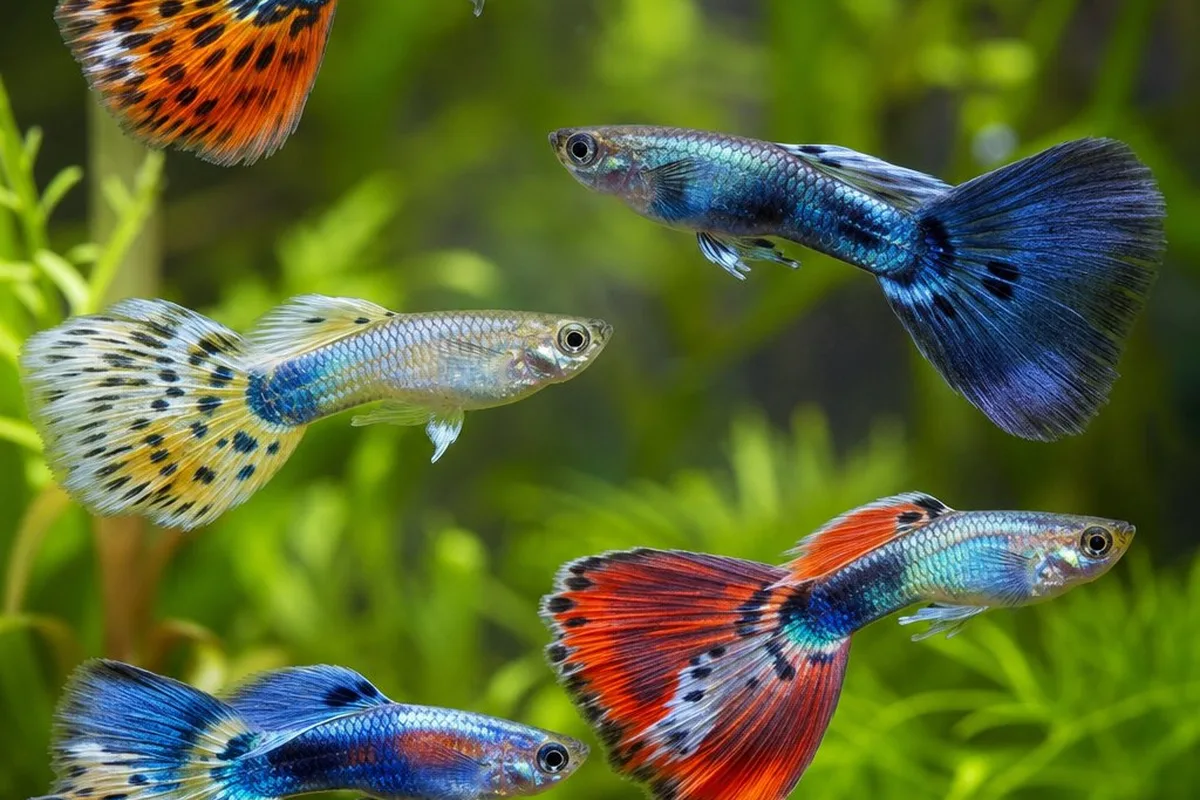
Livebearers
Guppies and other livebearers give birth to live young and bring bright color to community tanks. They are active, easy to watch, and likely to breed when males and females share the tank.
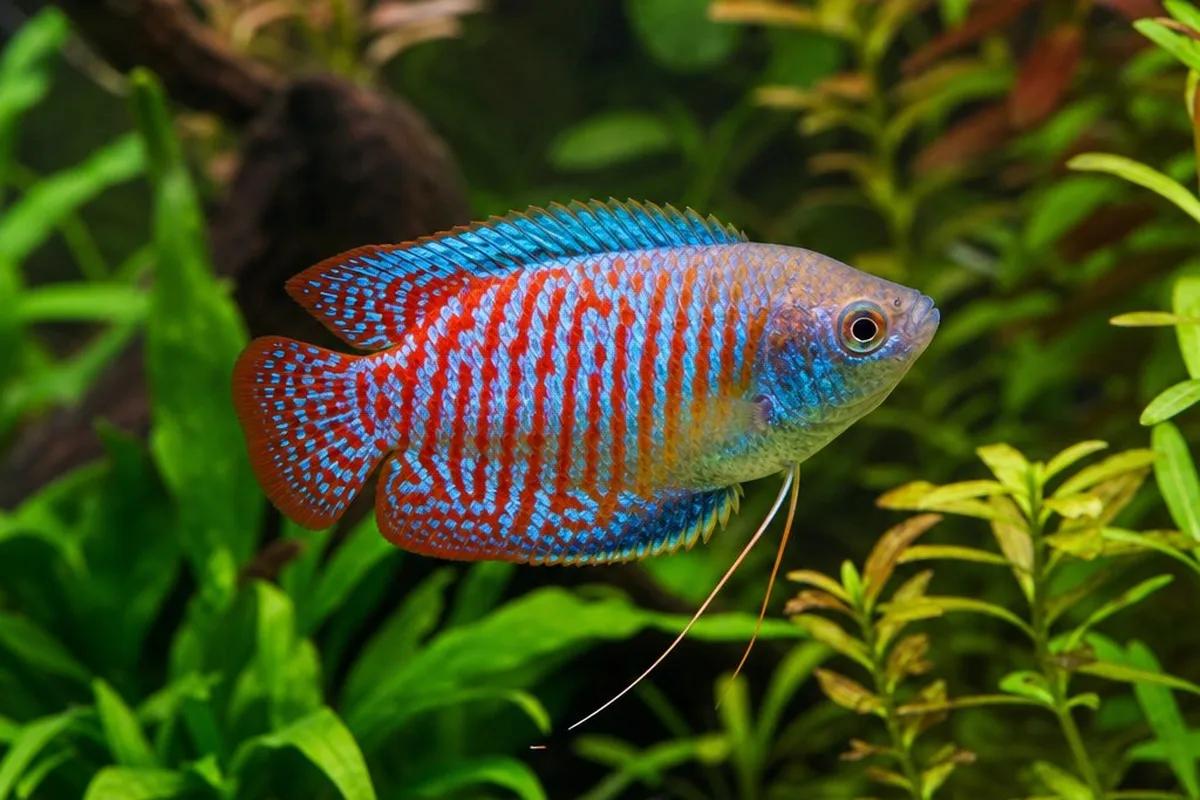
Dwarf gouramis
Dwarf gouramis are colorful fish that swim among plants. They use a labyrinth organ to take in air at the water surface.
Tetras and catfish round out most starter community tanks. Cichlids need more planning because their temperament and adult size vary widely by species. Cichlid tanks have their own setup and tankmate guides.
Four mistakes new fishkeepers make
Choosing by appearance alone
A striking fish can grow too large for your tank or need cooler or warmer water than your setup provides.
Mixing fish without checking temperament
Combinations that fail are common. Check the tankmate notes in each care guide before you add a fish.
Buying two male bettas for one tank
Two male bettas will fight, often to the death. Keep a betta alone or choose tankmates with care.
Buying fish before the tank is ready
A new tank needs time to develop stable water before the first fish arrives. Plan the setup and the equipment first, then choose the fish.
Checklist before you buy
Confirm the adult size and the minimum tank size in the care guide.
Match the species' water temperature range to your heater and room conditions.
Check tankmate notes for every fish you plan to add.
Confirm the group size each schooling species needs.
Set up a filter and a water testing routine before the fish arrive.
What this guide covers
This beginner guide summarises general freshwater husbandry guidance, from tank size and temperature to temperament and tankmates, and links to the local aquarium guides for more detail.
Our Editorial Standards
- General guidance is kept separate from measurements readers should confirm in their own tank.
- Compatibility notes include combinations that do not work, not only the ones that do.
Freshwater fish questions beginners ask
Many beginners start with a single betta, a small group of livebearers such as guppies, or a dwarf gourami in a planted community tank. Confirm the tank size and water temperature in the care guide before you buy.
A betta alone is a complete setup. Tankmates depend on temperament, tank size, and the betta's fin type. Check the tank mate section of the betta guide before you add anyone.
It depends on the species. Many tropical freshwater fish need a stable warm temperature. Confirm the required range in the care guide.
Start with the minimum tank size listed in the care guide, then plan for the adult size of the fish and the number you intend to keep.
Some cichlids are territorial and may not share a tank with peaceful community fish. Check temperament and adult size first. Cichlid tanks have their own setup guides.
Keep reading by tank size and experience
Start with the local guide that matches your tank size and experience level. Read the care guidance for the fish you are considering, then use the tank volume calculator to check the space you actually have.
Start by tank size
Measure your tank first with the tank volume calculator, then read the local setup and stocking guides.
Start by experience
Begin with the beginner-friendly groups in the matrix above, then read the freshwater fish care guide and planted aquarium setup guide.
Free to read. Sources linked where used.